Shephelah
Where it is
31.78° N, 34.85° E · Located through Ekron · region
Mentioned most in
About this place
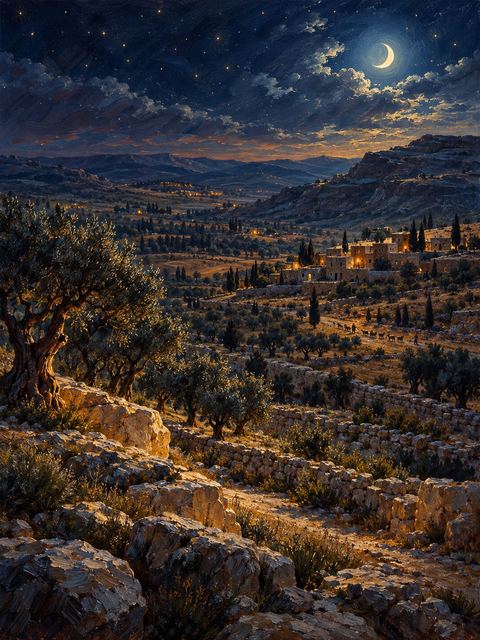
The Shephelah, meaning "lowland" in Hebrew, refers to the fertile foothills and valleys located between the Judean hills and the coastal plain of Israel. This region is mentioned numerous times throughout the Old Testament, often in the context of military campaigns, agricultural abundance, and territorial allotment.
The Shephelah was known for its strategic importance, as it served as a natural buffer between the hill country of Judah and the Philistine cities along the coast. During the conquest of Canaan, Joshua and the Israelites fought against the kings of the Shephelah (Josh. 9:1; 10:40; 11:2, 16; 12:8). The region was allotted to the tribes of Judah and Dan (Josh. 15:33; Judg. 1:9).
The Shephelah was renowned for its fertility and agricultural productivity. It was a region where wheat, barley, grapes, and olives were cultivated (1Chr. 27:28; 2Chr. 26:10). The abundance of sycamore and cedar trees in the Shephelah was compared to the abundance of stones during Solomon's reign (1Ki. 10:27; 2Chr. 1:15; 9:27).
The prophets Jeremiah and Zechariah mention the Shephelah in their prophecies, highlighting its importance and the restoration of its cities and villages (Jer. 17:26; 32:44; 33:13; Zech. 7:7). The prophet Obadiah also foretells that the people of the Shephelah will possess the fields of Ephraim and Samaria (Obad. 1:19).
The Shephelah played a significant role in the history of ancient Israel, serving as a region of strategic, agricultural, and prophetic importance. Its fertile valleys and proximity to major trade routes made it a valuable and contested area throughout the biblical period.
Every mention
Joshua6 mentions
1 Kings1 mention
1 Chronicles1 mention
2 Chronicles4 mentions
Jeremiah3 mentions
What the dictionary says
shef-e'-la (ha-shephelah; sephela, saphela): 1. Name and References: The word denotes "lowland," and is variously rendered in the King James Version.
Sources
- STEPBible TIPNR · Translators Individualised Proper Names with all References · CC BY 4.0 · github.com/STEPBible/STEPBible-Data
- OpenBible.info Bible Geocoding · CC BY 4.0 · www.openbible.info/geo/