Nebuchadnezzar
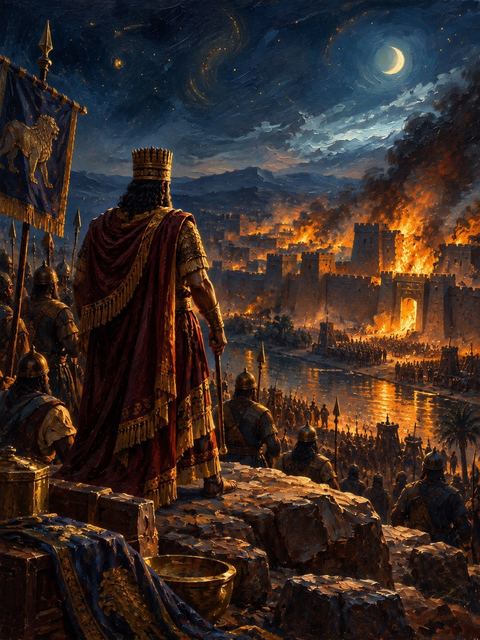
Who he was
Nebuchadnezzar II was the Emperor of the Neo-Babylonian Empire from 605-562 BC. He first invaded Judah during the reign of Jehoiakim, making the kingdom a vassal state (2 Kings 24:1). When Judah later rebelled, Nebuchadnezzar besieged Jerusalem, deposed King Jehoiachin, and installed Zedekiah as a puppet king (2 Kings 24:10–17). He also deported many Jews to Babylon, including the prophet Daniel (Daniel 1:1–6).
When Zedekiah rebelled, Nebuchadnezzar destroyed Jerusalem and the temple, deporting most of the remaining population (2 Kings 25:1–21). He appointed Gedaliah as governor over the remnant (2 Kings 25:22–24). The biblical books of Jeremiah, Ezekiel, and Daniel contain extensive material about Nebuchadnezzar's reign and conquests. Daniel records Nebuchadnezzar's dreams, his temporary insanity, and his ultimate acknowledgment of God's sovereignty (Daniel 2-4).
Nebuchadnezzar also besieged the Phoenician city of Tyre (Ezekiel 26:7–14) and invaded Egypt (Jeremiah 46:13–26). He is portrayed as God's instrument of judgment against the nations while also being condemned for his pride and idolatry (Jer.25.9; 50.17-18). His Babylonian name, Nabu-kudurri-usur, means "Nabu, protect my firstborn son.
Family
Every mention
2 Kings6 mentions
1 Chronicles1 mention
2 Chronicles4 mentions
Ezra5 mentions
Jeremiah37 mentions
Ezekiel4 mentions
Daniel29 mentions
What the dictionary says
In the Babylonian orthography Nabu-kudur-uzur, which means “Nebo, protect the crown!” or the “frontiers.”
Sources
- STEPBible TIPNR · Translators Individualised Proper Names with all References · CC BY 4.0 · github.com/STEPBible/STEPBible-Data
- Hitchcock's Bible Names Dictionary (1869) · Public domain